Garden Clearance in Wandsworth
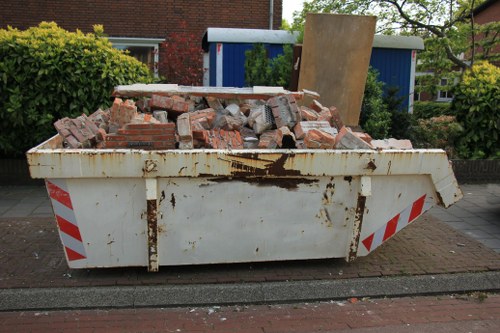
Garden clearance in Wandsworth is a practical service for managing overgrown outdoor spaces, unwanted green waste and bulky items that no longer belong in a garden. We clear mixed vegetation, cuttings, broken containers, soil in manageable quantities and other outdoor waste so the space can be used more easily again. For many customers, the aim is straightforward: remove what is in the way, leave the area tidy, and handle disposal in a responsible way.
This service suits front gardens, rear gardens, shared outdoor areas and access paths where clutter has built up over time. It can also help when a garden has become difficult to maintain because of hedge trimmings, branches, fallen plants or items stored outdoors. Our work is focused on the clearance itself rather than gardening design, so the emphasis is on collecting, loading and removing waste efficiently. If you are planning a tidy-up, it is sensible to request a quotation once you know roughly what needs taking away.
We can also support customers who need a broader tidy-up alongside the main clearance, for example where a shed edge, side return or paved section has become part of the same job. When items are mixed, the useful approach is usually to separate what is being kept from what is going. A clear description of the waste type helps shape the quote, and it can be useful to mention whether access is straightforward or whether materials need to be carried through the property.
What our garden clearance covers
Garden waste is often a combination of light organic material and heavier items that need careful handling. Our garden clearance service is designed to remove a sensible range of outdoor waste, including cut branches, hedge trimmings, weeds, soil where suitable, damaged plant pots, old timber, broken garden furniture and general green clutter. The exact load depends on what is present, but the principle stays the same: collect the unwanted material, load it safely and take it away for appropriate disposal or recycling.
Some gardens need a simple seasonal tidy after pruning or renovation, while others require a fuller strip-out before landscaping, repairs or tenancy changes. We can help with both. If the space includes trellis, planters, loose fencing sections or tired outdoor fixtures, those may form part of the clearance as well. When a garden has mixed waste, the price can be influenced by volume, weight, access and the time needed to separate different material types. That is why a clear enquiry helps us prepare a more accurate quotation.
Typical outdoor items
Useful examples of items often included in a garden clearance are:
- branches, hedge clippings and plant cuttings
- dead plants, weeds and other green waste
- old pots, trays and planters
- small timber offcuts, broken panels and garden debris
- outdoor furniture that is no longer wanted
Preparing your garden for collection

A well-prepared enquiry makes a garden clearance easier to plan. If possible, identify the main waste piles and note whether they are in one place or spread across the garden. It is also helpful to say whether anything should be left behind, especially if the area contains both unwanted items and materials you want to keep for reuse. If the garden is difficult to access, mention narrow side passages, steps, gates or low walls so the clearance can be planned with that in mind.
Photographs are often useful when you are seeking a quotation, because they help show the mix of waste, the approximate volume and any access constraints. A short description can then confirm details such as whether there are branches, soil, bags, a dismantled structure or wet material that may be heavier than it first appears. This is also the right stage to say whether the job involves only the garden or whether nearby spaces such as a garage, loft or driveway need to be included too. Clear information saves time later, but there is no need to over-explain.
When the collection is agreed, keeping the area as clear as possible around the main waste pile makes loading more straightforward. You do not need to sort everything into perfect categories, although separating reusable items from rubbish is always sensible. If you are unsure what should be listed in the quotation request, a brief inventory is enough. A simple note on estimated bags, branches, timber or bulky pieces can make the whole process easier to assess.
Garden waste, mixed loads and responsible disposal
Garden clearances do not always consist of neat green waste only. Many jobs include mixed loads containing plant matter, soil, broken items and general outdoor rubbish. We approach these jobs by considering what can be handled safely and what disposal route is most appropriate for the different materials. A mixed load can often be more efficient than several separate trips, provided the contents are described clearly at the quotation stage.
Where suitable, garden waste may be separated from other materials so that more of the load can be directed towards recycling or other recovery routes. This is one reason it helps to be honest about what is included, because the right handling method depends on the type of waste rather than the fact that it came from a garden. Items such as treated timber, plastics, metal, soil and green waste are not always managed in the same way. The job is therefore not only about removal, but also about choosing the right disposal path for the materials present.
If the clearance includes a heavy element, such as soil, rubble from a small garden feature or saturated waste after wet weather, that can affect the labour and vehicle space required. A brief note in your enquiry about heaviness, damp material or awkward lifting is useful. In some cases, the quote may also reflect whether the waste is stacked neatly or scattered across several points. The more accurate the description, the easier it is to plan the work fairly.
Outdoor items we are often asked to remove

Some customers contact us for a garden tidy-up after a long period without maintenance, while others need help at the end of a landscaping project. The service often includes bulky outdoor pieces that are no longer practical to keep, especially where they have become weathered or unsafe. We can remove a broad range of garden-related items as part of a clearance, as long as the contents are described in advance and can be handled safely on site.
Common examples include broken benches, worn plant containers, damaged sheds in dismantled form, loose decking pieces, fence sections, plant supports, toy storage, old hose reels and other exterior clutter. Some properties also need help with bags of leaves, branches from pruning work or piles left after cutting back hedges. If a job includes both outdoor waste and indoor clutter, that can often be combined into one clearance visit, provided the service type is clear when you request the quotation.
For larger jobs, it is often useful to think in terms of zones rather than individual bits of waste. For example, one pile may be all green waste, another may be timber and another may contain mixed household items kept outdoors. That simple structure helps us understand the scale of the work and the likely loading order. It also avoids confusion if some items are to stay in place while others are to be taken away.
Pricing factors and quotation details
Garden clearance pricing is usually shaped by a small number of practical factors. The main ones are waste volume, the type of material, access, labour required and the disposal route needed for the contents. Heavier loads or awkward access can take longer to clear, while mixed materials may need more careful handling than a single pile of cuttings. The quotation should reflect the actual work needed rather than a generic estimate.
If you are comparing options, think about whether the job is mainly green waste, mainly bulky items or a combination of both. It is also useful to mention whether the waste is already gathered in one place, whether it is spread along borders or paths, and whether anything needs to be dismantled before it can be removed. These details allow the quote to be based on the real scope of the work. Accuracy at the start usually produces a better result than guessing.
We keep the process straightforward: tell us what needs clearing, explain how the space is accessed and mention any items with unusual size or weight. You can then decide whether the job should be done as a one-off tidy or as part of a broader property clearance. If you are ready to move forward, the next sensible step is to ask for a quotation based on the waste that needs to go.
About Wandsworth
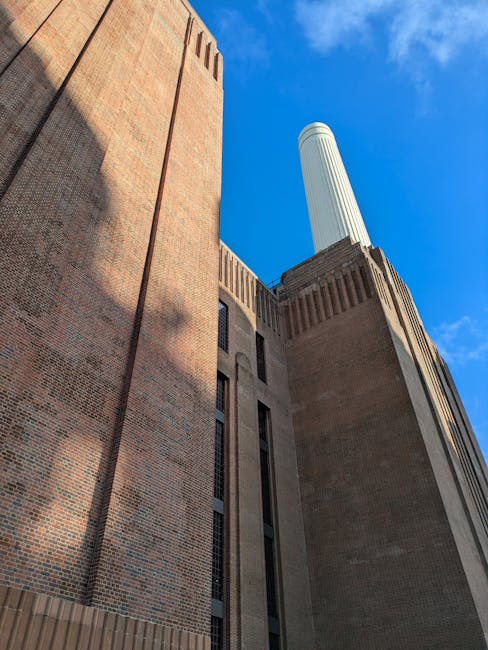
Wandsworth is a district in south-west London on the south bank of the River Thames, long associated with riverside industry, transport routes and a mix of older residential streets and newer developments. The area takes its name from the River Wandle, which joins the Thames nearby, and its history is closely linked to crossings, trade and manufacturing. Over time, the district developed from riverside and river-valley settlement into a varied urban area with Victorian terraces, converted industrial buildings and more contemporary housing. That layered built environment is still visible today in the streets around the town centre and in the many residential quarters that spread outward from it. The borough contains several well-known green spaces, including Wandsworth Common and King George’s Park, both of which give the area a strong open-air character alongside its urban fabric. The river frontage remains an important part of the local geography, with stretches of walkway and access to views across or along the Thames. Wandsworth Town station, road links and the broader south-west London transport network make the district well connected, while the local high streets and smaller shopping parades maintain a distinctly everyday character. Historic buildings, civic landmarks and surviving pieces of older infrastructure sit beside newer apartments and commercial premises, creating a place that feels mixed rather than uniform. Cultural life is supported by pubs, community spaces and local events, while the commons and parks provide room for sport, walking and informal recreation. In that sense, Wandsworth is a London district where river history, suburban growth and present-day residential life all remain visible at once.
Garden clearance for homes and private landlords
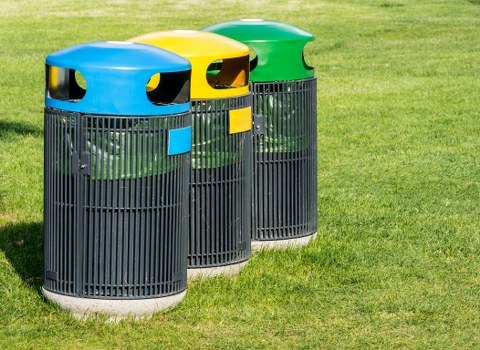
Garden clearance is often requested by homeowners who want to reclaim a usable outdoor space without taking on several separate disposal trips. It can also be useful for landlords, letting agents and managing agents who need a garden cleared between tenancies or before a property is re-let. In these situations, the aim is usually to restore order quickly, remove the visible waste and leave the garden ready for whatever comes next, whether that is routine maintenance, minor repair work or a fuller redesign.
For rental properties, the most common jobs involve abandoned plant pots, cuttings left after a previous occupant’s work, broken outdoor furniture and miscellaneous items stored outside. For owner-occupied homes, the scope may include an untidy patio, an overgrown border or a side return full of branches and bags. Whatever the setting, the same basic principle applies: the clearer the list of items, the easier it is to provide a sensible quotation and arrange the right collection.
It can help to decide in advance whether you want the clearance to stop at the garden boundary or extend to adjoining outdoor areas such as sheds, balconies or driveways. Where access is shared, it is also worth thinking about the route the waste will need to take out of the property. These simple details make the work more predictable and reduce the chance of missed items. If you are collecting information for a quote, a few photographs and a short written summary are usually enough to begin.
When a full or partial clearance makes sense
Not every garden needs the same level of attention. Some sites only require removal of a few piles of green waste after cutting back shrubs, while others need a fuller clearance because the space contains a mixture of clutter, broken fixtures and overgrowth. A partial clearance may be the right option when some items are staying in place, whereas a full clearance suits a garden that needs to be emptied before work can begin. The useful choice depends on the condition of the space and the outcome you want.
Partial jobs are often chosen when there is a clear border, path or seating area that needs to be recovered without disturbing the rest of the garden. Full jobs are more appropriate where the waste is spread across several corners, the garden has become difficult to access or the unwanted items are too numerous to sort in stages. We can discuss the scale of the work once you have described the waste, and that conversation is usually enough to determine whether one visit will suit.
To help with planning, it is sensible to note any materials that should not be moved and any hazards such as concealed glass, sharp timber or unstable stacks. If the load includes large branches, damp soil or awkward bulk, saying so early allows the clearance to be handled properly. Once the main facts are clear, you can ask for a quotation and decide whether the timing and scope are right for your property.
Useful details to include when you enquire
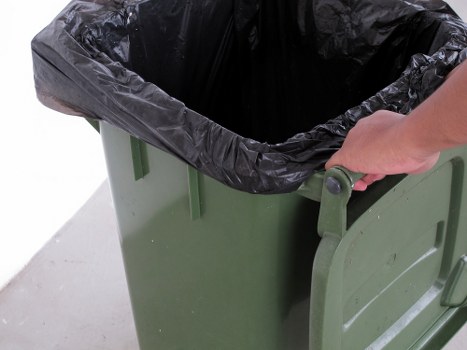
A good quotation request does not need to be long, but it should cover the practical facts that affect the work. The most helpful details are what needs clearing, roughly how much there is, how it is arranged and whether access is simple or restricted. If there are both garden waste and other items involved, it is best to mention that as well so the service can be matched to the job. This is especially useful where a clearance includes a shed, side passage or mixed outdoor storage.
You do not need to write a full inventory unless the job is very large. A brief note such as branches, hedge trimmings, a few bags, broken pots and one dismantled bench can be enough to start. If the waste is scattered rather than piled up, saying that can be just as important as the contents themselves. For larger or more complex jobs, photographs are a practical way to show scale and condition. The aim is to make the quotation based on reality, not a guess.
If you would like help with garden clearance in Wandsworth, send the key details and ask for a quotation when you are ready. You can keep it simple, state what needs to go and include any access notes that matter. That is often enough to move the job forward. For the next step, please use our contact page to request a quotation.