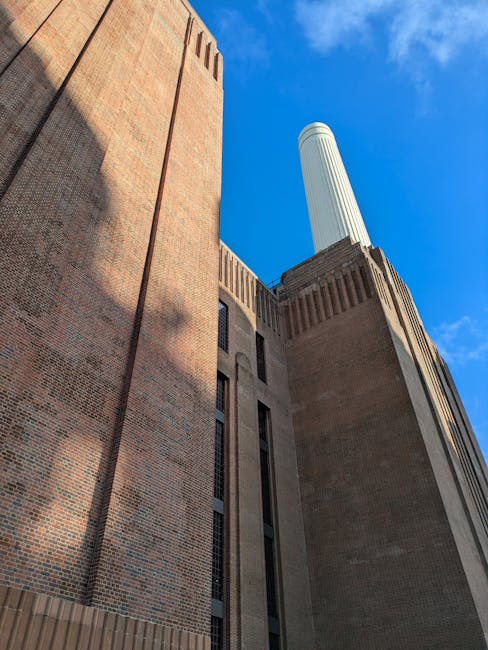
Battersea Power Station bulky rubbish removal near SW11: a practical guide for homes, flats, and busy commercial spaces
If you are dealing with Battersea Power Station bulky rubbish removal near SW11, you are probably not looking for a theory lesson. You want the stuff gone, safely, quickly, and without turning your hallway, lift, or pavement into a battlefield. Maybe it is an old sofa that will not fit in the lift, a broken wardrobe you have been staring at for three weeks, or a pile of mixed items that has somehow grown overnight. Happens more often than people admit.
This guide breaks down what bulky rubbish removal means in the Battersea Power Station area, how the process usually works, what to check before you book, and how to avoid the little mistakes that cause big delays. It is written for real-life situations: apartments, managed buildings, basement rooms, office spaces, renovation leftovers, and those awkward heavy items that look simple until you try to move them. You will also find a checklist, a comparison table, and some straight answers to common questions.
Why Battersea Power Station bulky rubbish removal near SW11 matters
Battersea Power Station is a place where modern living, redevelopment, shared access, and moving parts all meet. That sounds grand, and it is, but it also means bulky rubbish can become a nuisance fast. A single item left in the wrong place can block a corridor, make a lift unusable for the next resident, or cause friction with building management. In a dense SW11 setting, there is not much room for error.
Bulky rubbish removal matters because large items are difficult to handle without the right planning. Sofas, mattresses, old beds, desks, cabinets, white goods, garden items, and refurbishment waste are all heavy, awkward, and easy to damage walls or floors with if you rush. Let's face it, nobody wants a scratched lift, a chipped stairwell, or a neighbour asking why the landing now looks like a storage unit.
There is also the trust issue. Good clearance is not just about lifting. It is about timing, access, safe loading, sorting what can be reused or recycled, and leaving the place tidy afterwards. That is especially important around managed developments near the Battersea Power Station area, where building rules, parking restrictions, and shared access can make the difference between a smooth visit and a frustrating one.
For many people, this service sits somewhere between convenience and peace of mind. You get your space back, the bulky waste stops hanging around, and you do not have to spend your weekend wrestling a wardrobe down the stairs. That alone is worth something, honestly.
How Battersea Power Station bulky rubbish removal near SW11 works
In simple terms, bulky rubbish removal is a collection and clearance service for large items that are too awkward or too heavy for normal household disposal. The actual process is usually straightforward, but the better providers will make sure the details are nailed down before anyone turns up.
1. You describe what needs removing
This might be a single bulky item, a mixed pile after a flat clean-out, or a larger load from a home, office, or renovation job. Clear descriptions matter. A "couple of bits" can mean one chair to one person and an entire room full to another. If you can, list the items and mention any access issues such as stairs, no lift, narrow corridors, or loading restrictions.
2. The collection is assessed
Good services will want to understand volume, weight, access, and whether the items can be handled easily. In many cases, a quick photo is enough to give a sensible estimate. This helps avoid awkward surprises on the day. Nobody enjoys the moment when the team arrives and says, "Ah, right, this is a bit more than we thought."
3. A time window is arranged
For busy local sites near Battersea Power Station, timing matters. A morning slot can be useful if you want to clear space before work starts or before guests arrive. If the building has strict access times, shared lifts, or concierge arrangements, make sure those are aligned before the booking.
4. The team removes and loads the items
On the day, the items are carried out, protected where needed, and loaded safely. A competent crew will try to minimise disruption, protect walls and flooring, and avoid leaving anything behind. The sound of heavy items being moved is not exactly pleasant, so the more organised the process, the better.
5. Sorting, reuse, and disposal follow
Once collected, items should be sorted for reuse, recycling, or disposal where appropriate. If you are choosing a provider, it is worth asking how they handle mixed bulky waste and whether they separate reusable furniture where possible. That is where responsible practice starts to show.
For broader clearances beyond one or two bulky items, it can be useful to look at waste removal options or services such as flat clearance, furniture disposal, and house clearance when the job is bigger than a quick lift-out.
Key benefits and practical advantages
There are a few obvious benefits, and then a few less obvious ones that matter just as much in real life.
- Speed: large items can be removed in a single visit rather than dragged out over several trips.
- Less physical strain: you do not have to move heavy furniture yourself, which is a relief if the item is bulky or the route is awkward.
- Cleaner shared spaces: no leaving items in hallways, loading bays, or entrance areas where they become everybody else's problem.
- Better presentation: useful if you are moving out, preparing a property for sale, or getting a rental ready for the next occupant.
- More suitable for managed buildings: can be timed around access rules and building schedules.
- Recycling-minded handling: a good service will try to route usable items and recyclables appropriately.
There is also a psychological benefit people do not always mention. Clearing bulky rubbish can make a room feel bigger in a way that is oddly immediate. One large sofa gone, and suddenly you notice the floor again. Strange how that works.
If you are comparing providers, look beyond the headline promise. A transparent quote process matters, as does clear information about safety and handling. You may find it helpful to review pricing and quotes guidance alongside the company's approach to recycling and sustainability and its insurance and safety information.
Who this is for and when it makes sense
This kind of service is useful for a wide mix of people in and around Battersea Power Station and SW11. Some need a one-off collection. Others need a short-term run of removals during a move or renovation. A few are just tired of living around a bulky thing they no longer want. Fair enough.
Typical situations include:
- Residents clearing out a flat or apartment after a move
- Landlords preparing a property between tenancies
- Homeowners replacing old furniture
- Office managers clearing desks, chairs, and shelving
- Tradespeople dealing with renovation debris or leftover fittings
- People sorting out a garage, loft, or storage area
- Families clearing a deceased relative's belongings with care and speed
It makes sense when the items are too large for normal bins, too many for a car boot, or too awkward to move through shared access. If you are dealing with mixed items after works, a dedicated builders waste clearance service may be more relevant than a general rubbish collection. If it is business-related, business waste removal could be the better fit.
Not every job needs the same approach. A single mattress is one thing. A whole flat's worth of bulky items is another. The key is matching the service to the actual load, not the story you hoped it would be.
Step-by-step guidance
If you want the process to go smoothly, a bit of preparation goes a long way. Here is the practical version, not the idealised one.
- List everything that needs removing. Be specific. "Old bedroom furniture" is helpful, but "double bed frame, mattress, two bedside tables, and a wardrobe" is better.
- Check access. Note stairs, lifts, parking, loading bays, concierge rules, narrow doorways, and any time restrictions.
- Take photos. A few clear images help enormously, especially if the items are mixed or the space is tight.
- Separate what is staying. If the room is cluttered, mark items that should not be touched. Tape, labels, or simply moving them aside works.
- Ask about handling and disposal. Find out whether the service sorts for reuse and recycling, and whether any items need specialist handling.
- Confirm the booking details. Time, access, contact person, and payment method should all be clear before the day arrives.
- Prepare the route. Move fragile objects, open doors, and clear the path where possible. It saves time and reduces risk.
- Walk through after collection. Check the area for small forgotten bits like screws, brackets, or packaging. They love hiding under radiators, for some reason.
For bigger internal clearances, you may want to combine bulky waste removal with home clearance or furniture clearance. If the clutter is tucked away in storage, a loft clearance or garage clearance may be the more practical route.
Expert tips for better results
A few small choices can make a big difference, especially in a busy local area where access and timing are not always generous.
Be brutally clear about the load
People often underdescribe the job. That leads to the wrong vehicle size, the wrong time slot, or a quote that needs adjusting. Be honest about how much there is. It saves everyone a headache.
Think about the route, not just the item
A bulky wardrobe may be easy to lift in theory, but if it has to come down a tight stairwell and turn through a narrow lobby, the challenge is the route. Not the wardrobe. Well, both, really.
Book around your building's rhythm
In managed developments, busy lobby periods, lift bookings, and concierge hours all matter. If you can avoid the school-run style rush of residents coming and going, do so.
Keep mixed waste separated if possible
Items that are clearly reusable, recyclable, or plain rubbish are easier to process when they are not piled together in one untidy heap. A tiny bit of sorting upfront helps a lot.
Ask what happens to reusable items
If the service can route usable furniture away from disposal, that is often a better outcome. You do not need a lecture about sustainability to appreciate not wasting a perfectly decent chair.
If you want a better sense of the company background and working standards, the pages on about us and health and safety policy are useful places to start. They help set expectations before anyone arrives at the door.
Common mistakes to avoid
This is where a lot of avoidable frustration comes from. None of these mistakes are dramatic on their own, but they stack up.
- Leaving items in shared areas too long. This can create access problems and complaints.
- Guessing the volume. "Probably one van" is not always a safe assumption.
- Forgetting building restrictions. Parking, loading, and lift use can all affect timing.
- Not checking what can and cannot be taken. Some items may need separate handling.
- Blocking the route on collection day. A clear path makes the job safer and quicker.
- Choosing only by price. Cheapest is not always cleanest, safest, or most reliable. Bit obvious, but still true.
- Assuming every item is treated the same. Bulky waste, furniture, and renovation debris can be processed differently.
One small mistake I see fairly often: people forget about the bits attached to the item. A bed frame with fixings, a desk with drawers full of papers, or a cabinet with glass panels still in place can change the handling plan. Easy to miss in the moment.
Tools, resources and recommendations
You do not need fancy tools, but a few simple things can make the job smoother.
- Phone camera: for photos of the items and access route.
- Measuring tape: useful if you are unsure whether something will fit through a doorway or lift.
- Labels or tape: mark items that are staying.
- Gloves: if you are moving small items or checking the area before and after.
- Building instructions: access notes, concierge rules, or parking directions are genuinely helpful.
For readers managing a wider property reset, the most useful supporting pages are often flat clearance, office clearance, and garage clearance. If the job includes old chairs, tables, or cabinets, furniture clearance can be a sensible match.
And if you are still in the decision-making stage, the pricing and quotes page is a good way to understand how estimates are usually approached. No drama, just clarity.
Law, compliance, standards, or best practice
For bulky rubbish removal in London, the key point is simple: waste should be handled responsibly and by a provider that understands safe collection and lawful disposal expectations. You do not need to memorise legislation to make a smart choice, but you should expect professional handling, sensible sorting, and proper care with restricted or awkward items.
As best practice, look for the following:
- Clear identification of what will be collected
- Safe moving methods for heavy or awkward items
- Attention to access routes and shared areas
- Reasonable care to reduce damage to property
- Sorting to support reuse and recycling where suitable
- Transparent service terms before work starts
In managed buildings around Battersea Power Station, the practical side matters as much as the paperwork. Access permissions, loading arrangements, and resident courtesy all play a part. A tidy, predictable collection is usually the easiest way to avoid complaints. If you want to understand how service boundaries and payment terms are handled, the terms and conditions page is worth reading, along with the provider's payment and security information.
There is also a duty of care mindset here, even if people do not call it that in everyday conversation. In plain English: know what is being taken, make sure it is handled properly, and avoid letting bulky waste become someone else's problem down the chain.
Options, methods, or comparison table
Not every bulky item situation needs the same solution. The right method depends on how much there is, how awkward it is, and how quickly it needs clearing.
| Option | Best for | Pros | Limitations |
|---|---|---|---|
| One-off bulky rubbish collection | Single large items or a small mixed load | Fast, simple, minimal disruption | Not ideal for full-property clearances |
| Furniture clearance | Sofas, tables, beds, cabinets, and similar items | Useful for home refreshes and moves | May need separate handling for non-furniture waste |
| Flat clearance | Apartment clear-outs with multiple item types | Good for managed buildings and move-outs | Needs more planning for access and timing |
| Builders waste clearance | Renovation debris and leftover materials | Better for mixed construction-related waste | Not the same as household furniture removal |
| House clearance | Whole-property emptying or major downsizing | Most comprehensive option | Usually more involved than a basic bulky collection |
The decision is often obvious once you look at the actual load. If it is one mattress and a chair, keep it simple. If you are standing in a room full of mixed items and wondering where to start, that is usually a sign you need something broader than a single bulky-item pickup.
Case study or real-world example
Imagine a resident in a SW11 apartment near Battersea Power Station who has finally replaced a worn sofa-bed and an old dining table. The lift is small, the corridor is narrow, and the building has a clear loading window in the late morning. The items are too large to leave out casually and too awkward to move alone. It is exactly the sort of job that looks easy from the sofa and then becomes a miniature logistics puzzle.
In a sensible version of events, the resident takes a few photos, checks the access route, and confirms the collection time with building management. The bulky items are moved out in a controlled way, the route is left clean, and the old furniture is taken away without lingering in shared areas. The whole thing is over quickly, with minimal disruption.
Now compare that with the messy version. The sofa is dragged halfway to the door before anyone checks whether it fits through the lift. Parking was never confirmed. The collection team arrives, but the access route is not ready. Suddenly everything takes longer, more people are involved, and the mood drops a bit. Not catastrophic. Just irritating, and avoidable.
That is the practical lesson: planning saves effort. A little preparation makes the difference between "sorted by lunchtime" and "we'll deal with it again next week."
Practical checklist
Use this quick checklist before your collection day. It keeps things calm.
- Have you listed every bulky item clearly?
- Do you know which items are staying?
- Have you checked lift, stair, and corridor access?
- Are parking or loading restrictions understood?
- Have you shared photos if needed?
- Have you separated furniture from other waste where practical?
- Are fragile items out of the way?
- Have you confirmed the collection time and contact details?
- Do you know whether you need a broader service such as flat, home, or furniture clearance?
- Have you checked the provider's pricing, safety, and service terms?
Quick expert summary: for Battersea Power Station bulky rubbish removal near SW11, the smoothest jobs are the ones that are clearly described, access-aware, and booked with the right service type from the start. That is the whole game, really.
Conclusion
Battersea Power Station bulky rubbish removal near SW11 is not just about taking away an old item. It is about clearing space safely, respecting shared buildings, and making sure the job is handled in a way that fits local life. In an area where access can be tight and time matters, a well-planned removal saves stress, protects property, and helps the whole process feel much easier than doing it alone.
The best approach is simple: describe the load properly, think about access, choose the most suitable service, and expect clear communication. Whether you are clearing one oversized item or several pieces at once, a careful plan makes the result cleaner and calmer. And frankly, it is nice when the space starts breathing again.
Get a free quote today and see how much you can save.
If you are still comparing options, start with the service that matches the job, check the company details, and use the quote process to clarify the rest. A tidy outcome is usually closer than it feels at the beginning.
Frequently Asked Questions
What counts as bulky rubbish near Battersea Power Station?
Bulky rubbish usually means large household or commercial items that are too big, heavy, or awkward for normal bins. Common examples include sofas, mattresses, wardrobes, tables, desks, and broken appliances.
Can bulky rubbish be collected from a flat in SW11?
Yes, in most cases it can. The main factors are access, lift size, stair routes, parking, and any building rules. Flats near Battersea Power Station often need a little more planning, but that is normal.
Do I need to move the items outside before collection?
Usually not. A proper bulky rubbish removal service should collect items from inside the property if access allows. That said, clearing the route and making the items easy to reach can help a lot.
How do I know whether I need furniture clearance or waste removal?
If the job is mainly sofas, beds, tables, cabinets, or similar items, furniture clearance is often the better fit. If the load is mixed or includes a wider range of rubbish, general waste removal may be more appropriate.
What should I do if the building has strict access rules?
Tell the provider early. Share lift rules, concierge details, loading limits, and any time restrictions. The more precise you are, the easier it is to avoid delays on the day.
Is bulky rubbish removal suitable for office items too?
Yes. Desks, chairs, filing units, and other office furniture can usually be handled through the right clearance service. For larger workplace jobs, office clearance or business waste removal may be the better choice.
Can reusable items be separated from rubbish?
Often, yes. Responsible services will sort items where possible so reusable furniture and recyclable materials do not end up in the wrong stream. It is worth asking how that is handled.
How far in advance should I book a collection?
That depends on urgency and access needs. For a straightforward item removal, short notice may be possible. For a managed building, move-out, or multiple bulky items, it is better to book as early as you can.
What if my bulky items are mixed with renovation debris?
That usually needs a different approach. Builders waste clearance is often more suitable if the load includes offcuts, rubble, packaging, or renovation leftovers rather than just furniture.
Are there any risks with bulky rubbish removal?
The main risks are damage to walls, floors, or shared spaces; injury from lifting heavy items; and confusion over what is being taken. Clear instructions and a careful provider reduce those risks significantly.
Can I combine a bulky item collection with a bigger clearance?
Yes, and sometimes that is the smartest option. A flat clearance, home clearance, or house clearance can be more efficient if you have multiple rooms or a large amount of mixed clutter.
What should I check before accepting a quote?
Make sure the quote matches the actual items, access conditions, and service type. It is also sensible to review pricing, safety, and terms so you know exactly what is included before work starts.